All Categories
Featured
Table of Contents
Consumer experience will not enhance merely because of a brand-new interface if confusion still exists in the back workplace. When improvement begins without a clear structure, focus is quickly lost: lots of parallel efforts emerge, none of which reach conclusion.
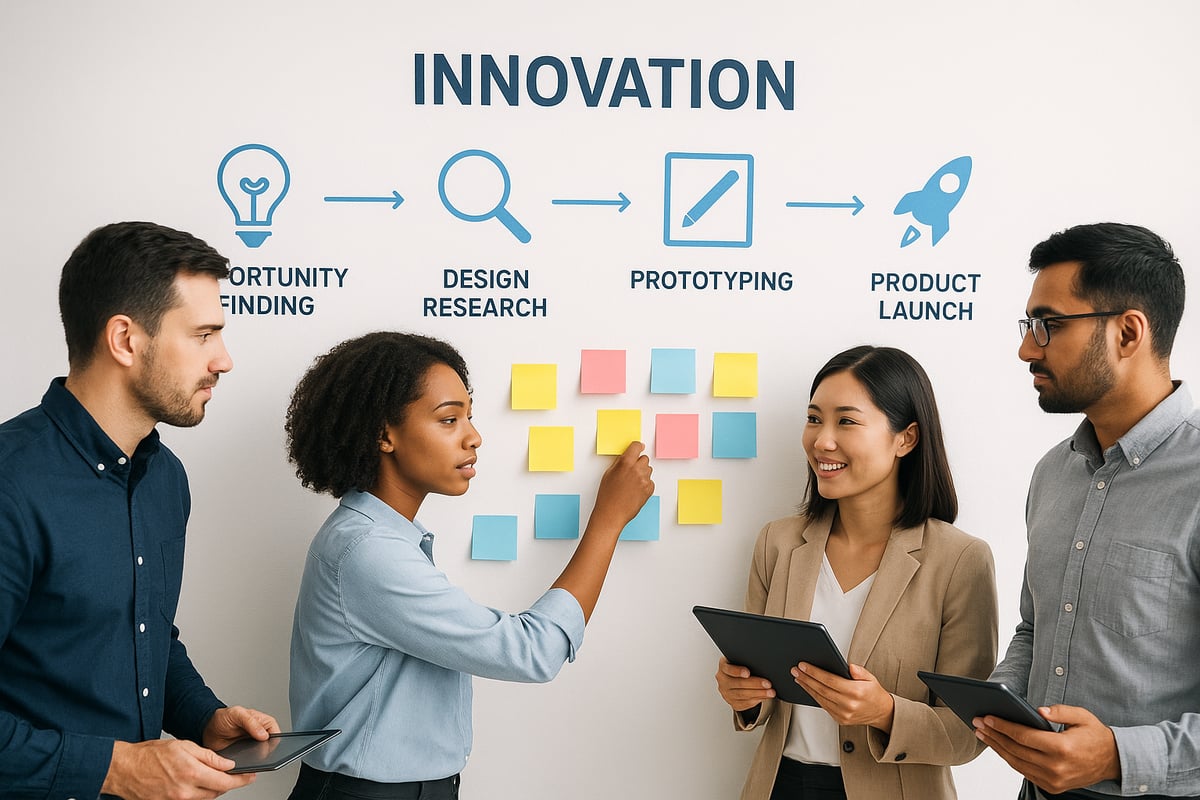
A digital change structure is a system of collaborates that enables managing modification rather than simply reacting to issues. This structure ought to not be a universal design template that works similarly well for a caf, an agricultural holding, and a global bank.
You need a truthful review: where time is being wasted, where choices are stalling, which processes depend on a particular person. After that, you need to set particular, quantifiable goals. reduce the time to market for a brand-new item from 4 months to 6 weeks; incorporate 80% of client queries into a single CRM; minimize the proportion of manual order processing from 40% to 5%.
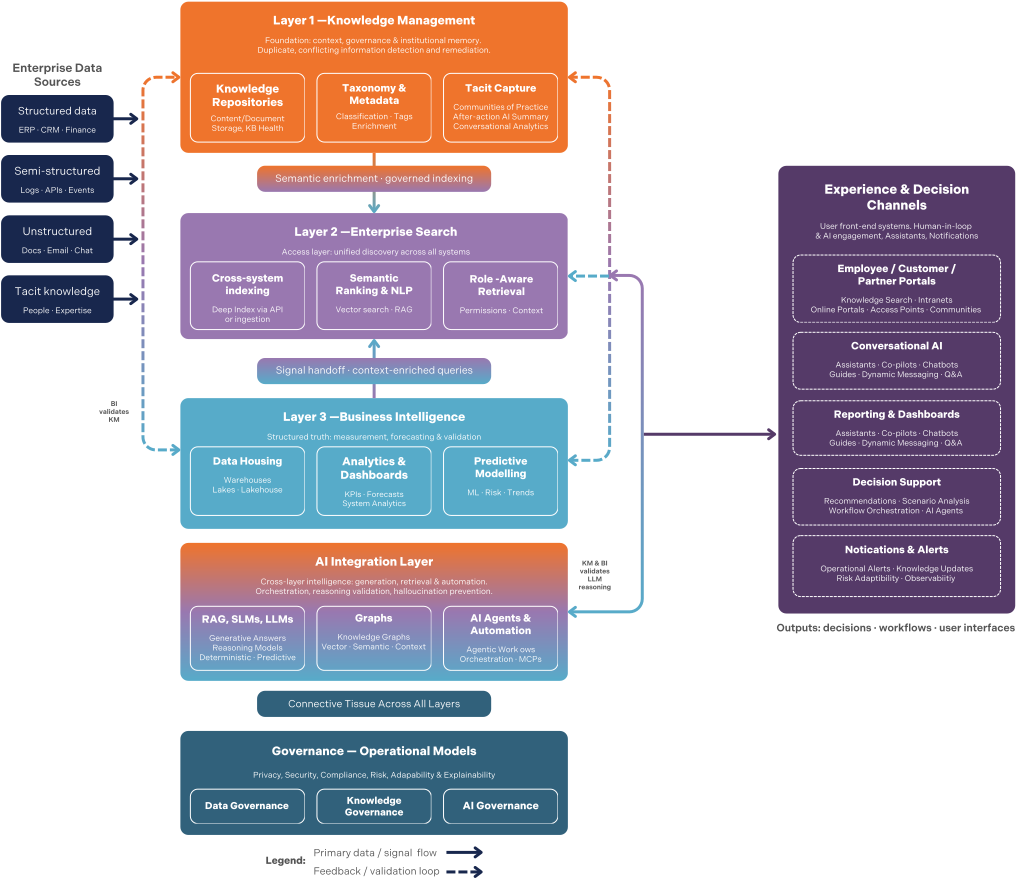
Which efforts are crucial, which can be postponed. Where the greatest effect lies, and where the highest threats are. It is essential not to prepare whatever at the same time. It is better to select two or 3 focus areas and finish them fully than to spread efforts throughout ten directions and surface none.
When individuals understand what comes next, it is simpler for them to support modification. One of the most typical mistakes is beginning improvement with the choice of a platform. A strong structure operates in reverse: very first come the goals and procedures, and just then the tools. Innovation needs to be an extension of service reasoning, not a different world that just IT professionals live in.
Building High-Performance Innovation Hubs in Future
As an outcome, in practice these frameworks either do not work at all or lead in a totally different instructions than intended. A solid improvement structure need to be versatile enough to adjust to reality, yet rigid adequate to prevent efforts from spreading out frantically. A great structure helps maintain focus, track progress, and correct course when something goes wrong.
A company may have an excellent method, leadership assistance, and a properly designed discussion. When application starts, due dates slip, decision-makers prevent duty, and teams burn out. What emerges is not improvement, but an endless reorganization that everybody quietly feels bitter.
It consists of 3 stages that can be adapted to your market, structure, and ambitions. At this phase, there are no brand-new interfaces, no flashy "before/after" slides, and no grand launches.
The Comprehensive Modern Enterprise Transformation Guide
There is absolutely nothing worse than moving quickly without comprehending where you are going. Secret goals of this phase: Not generic declarations, however measurable expectations: just what should alter, which metrics will be impacted, and which decisions will end up being quicker, cheaper, or higher quality. For instance: lower time-to-market for brand-new products from 6 months to two; decrease churn among SME customers by 15%; automate 60% of internal demands.
The improvement owner need to have genuine decision-making authority. IT should comprehend company goals, and service needs to understand technical restrictions.
This phase may feel slow or unproductive, but in truth it is a financial investment in the speed of subsequent stages. This is the phase where digital transformation relocations from idea to action or to mayhem, if priorities are set improperly. This is when the first noticeable modifications appear: systems go live, procedures shift, and brand-new guidelines work.
Strategic Insights for Launching Distributed Innovation
The key error at this stage is trying to do whatever at as soon as: implement ERP and CRM, automate logistics, revamp the site, and retrain everyone all at once. Instead of a digital breakthrough, the outcome is organizational paralysis. What to do rather: Select a couple of concern areas, bring them to quantifiable results, examine results, lock in changes, and only then scale.
If the group does not comprehend why changes are occurring, peaceful resistance will follow. Successful implementation is about handling steady modifications in everyday practices.
When preliminary outcomes appear, there is a strong temptation to stop. And this is the moment that figures out the business's future. Improvement is a brand-new operating model, and it only genuinely works when it stops being perceived as something separate or short-term. What matters at this phase: Not in general regards to "worked or didn't work," however change by change: influence on speed, costs, errors, sales, and customer fulfillment.
If brand-new guidelines are not working, they must be altered. If modifications worked in one system, they can be scaled.
How to Scale Enterprise Innovation in Future?
This is the minute when digital modification stops being a task and ends up being part of daily operations. Companies frequently approach us after they have already started transformation but got stuck along the method.
Here are 5 normal scenarios that undermine even the finest intents: The business does not totally understand why and what it is transforming. It joined a job, bought something brand-new, maybe even launched it. There is movement, but no instructions. What to do: begin with a concrete service diagnosis. Clearly define what need to change and how it will be measured.
of ESG Metrics in Modern Facilities Planning Why AI-Driven R&D Demands a New Type
A CRM is acquired, analytics are established, a chatbot is released and that's it. The group continues to work as previously, without any modifications in culture, processes, or management. In this case, brand-new tools end up being pricey designs. What to do: even the very best system is worthless if the group does not comprehend how to use it daily.
A Comprehensive 2026 Enterprise Transformation Guide
Teams dealing with transformation in between other tasks seldom reach outcomes. Duty is theoretically shared by everybody, but in practice belongs to no one. This results in limitless discussions, delayed choices, and interdepartmental disputes. What to do: allocate a devoted team, resources, and time. This is a top-priority initiative, not an optional add-on.
An organization can alter processes, however if individuals do not trust the system, withstand change, or continue working out of routine, failure is almost guaranteed. What to do: include essential individuals early. Explain the reasoning behind changes, ensure transparent interaction, and produce an environment where it is safe to make errors, experiment, and adjust.

Latest Posts
Smart Computing and a Future of Corporate R&D
Architecting Agile R&D Hubs
Enhancing Global Systems for Growth